

A good hospital bag holds your documents and insurance papers, comfortable clothes and toiletries for the mother, a few newborn basics, and small comforts and chargers for the partner. Pack it by about 34 to 36 weeks of pregnancy, keep it near the door, and leave most “nice to have” items at home.
This checklist is written for expecting parents in India, where hospital rules, insurance procedures and paperwork differ from many Western guides. It is general guidance, not medical advice. Your hospital’s own list always takes priority.
When Should You Pack Your Hospital Bag?
Pack by 34 to 36 weeks. Most babies arrive at term (37 weeks or later), but some come earlier. The World Health Organization defines preterm birth as before 37 completed weeks, so a bag packed at 34 to 36 weeks covers most early arrivals without making you pack too soon.
If you have a planned C-section, you will have a date, but pack at least a week ahead in case it moves. If you have a high-risk pregnancy, twins, or a history of preterm labour, ask your obstetrician whether to pack earlier.
Practical tip: keep documents in one easy-to-grab folder and pack the rest into a single bag, with baby items in a separate pouch. In a rush, one bag is easier to find and carry than five.

What Documents Should You Carry to the Hospital?
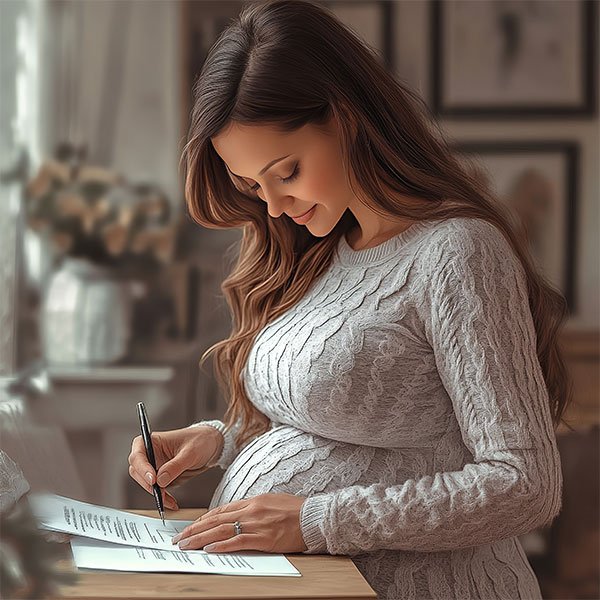
Carry your identity proof, medical records and insurance papers in one waterproof folder. Admission is often slower than expected, and missing paperwork is the most common avoidable delay.
Keep these together:
- Photo ID and address proof (Aadhaar or another ID the hospital accepts)
- Your hospital registration or antenatal card
- Antenatal reports: ultrasound scans, blood tests, glucose test results, blood group
- Prescriptions and your doctor’s notes
- Health insurance card, policy number and pre-authorisation or TPA contact details
- The Mother and Child Protection (MCP) card, if you were issued one under government programmes
- Photocopies of key documents, plus photos on your phone as a backup
- Some cash and a card, since small purchases and deposits are common
Check with your insurer before delivery. Maternity cover often comes with waiting periods, sub-limits and a pre-authorisation process for cashless claims. Policies differ, so confirm the terms with your insurer or TPA rather than assuming. This is an area where details change, so verify them directly.
What Should the Mother Pack?
The mother needs comfortable, loose clothing, hygiene supplies and a few items for recovery. Hospital stays after delivery are typically a few days, and longer after a C-section, though your hospital will tell you its policy.
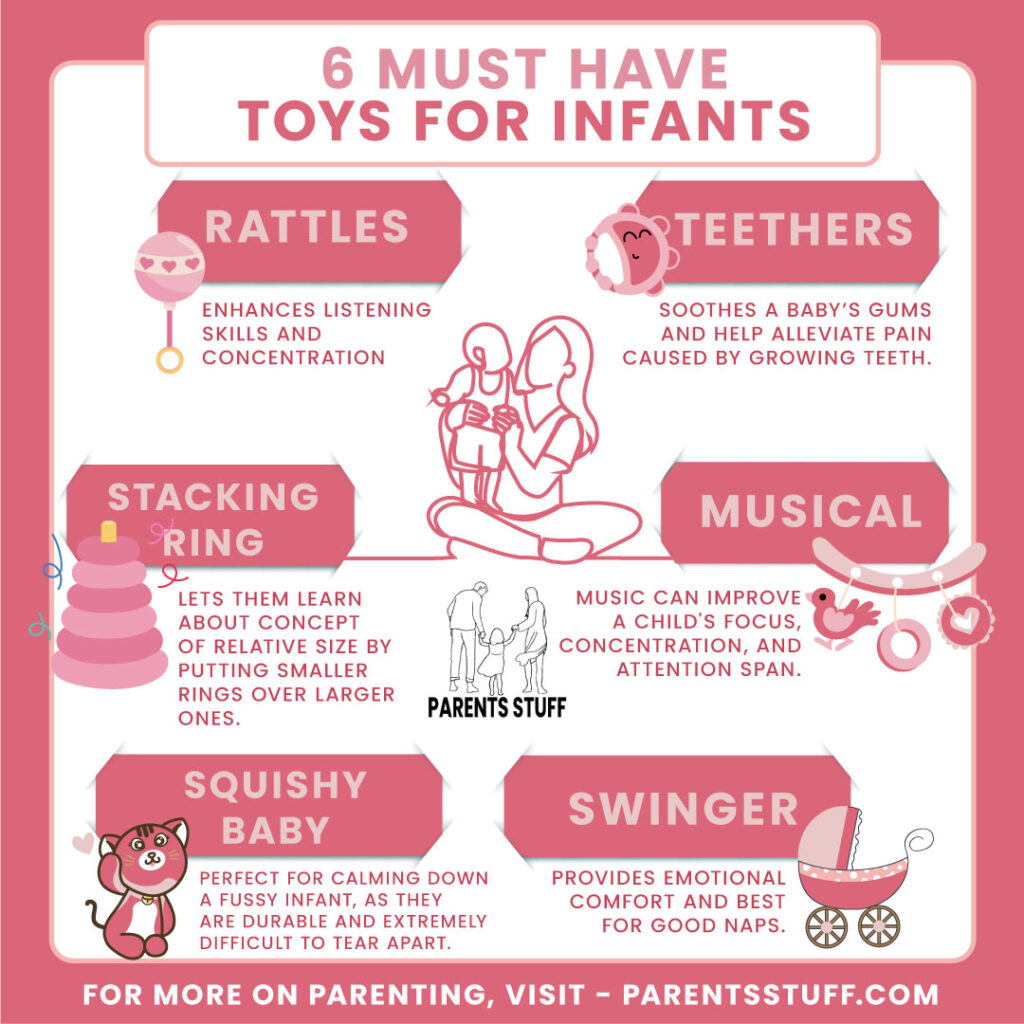
Clothing
- 2 to 3 front-open or feeding-friendly nighties or kurtas (easier for breastfeeding and for any procedures)
- 1 to 2 loose, comfortable outfits for going home
- Soft, high-waisted or maternity underwear (especially after a C-section)
- Nursing bras (2 to 3)
- Socks and slip-on footwear
- A light shawl or stole, since hospital air conditioning can be cold
Hygiene and Recovery
- Heavy-flow maternity pads (postpartum bleeding is normal and lasts for weeks)
- Toothbrush, toothpaste, soap, shampoo, towel
- Lip balm and a body moisturiser
- Hair ties and a comb
- Nipple cream, if your doctor or lactation consultant recommends one
- Any regular medicines you take, in their original packaging
Comfort Items
- A phone charger with a long cable (outlets are often far from the bed)
- A water bottle and light snacks, if the hospital permits them
- A pillow with a familiar cover, if allowed
- Earphones for music or relaxation
Do not pack your own prescription medication supplies for labour. Pain relief and other medication decisions during labour belong to your care team.
What Should You Pack for the Newborn?
Pack only a few newborn essentials, because hospitals provide basic newborn care and you will not need a full wardrobe. Babies outgrow tiny sizes quickly, and a small set is plenty for the stay.
- 3 to 4 soft cotton onesies or bodysuits
- 2 to 3 pairs of mittens, socks and a cap
- 2 to 3 swaddle cloths or soft receiving blankets
- Newborn diapers (a small pack) and cotton wipes
- One going-home outfit in two sizes, since newborn sizes vary
- A hooded towel or soft blanket for the ride home
- A baby-safe, mild soap only if your hospital asks you to bring it
Ask the hospital what it provides. Some give diapers, cotton and baby soap, others do not. This varies, and a call to the hospital or a check of its pre-admission information avoids overpacking.
Car Seat for the Ride Home
Using an infant car seat is the safest way to bring a newborn home by car. Rules and enforcement around child restraints in cars vary, and the Motor Vehicles Act has provisions on child safety that you should verify for current requirements. Even where enforcement is limited, a properly fitted infant seat is widely recommended by road-safety and paediatric organisations. Practise installing it before your due date.
What Should the Partner or Support Person Pack?
The partner’s bag should cover a long, unpredictable wait. Labour can take many hours, and the support person is often the one handling paperwork, calls and food.
- Phone, charger and a power bank
- Comfortable clothes and a spare set
- Basic toiletries
- Cash, cards and the document folder
- Snacks and a water bottle
- A notebook for doctor’s instructions, discharge advice and vaccination dates
- Contact numbers for family members and your doctor
If the hospital allows the partner to stay overnight, ask about bedding, food arrangements and visiting hours in advance.
Indian foods that boost gut health
Quick Comparison: What Goes in Which Bag
| Bag / Pouch | Main contents | Who carries it |
|---|---|---|
| Documents folder | ID, insurance, antenatal records, MCP card | Partner |
| Mother’s bag | Nighties, pads, toiletries, nursing bras, charger | Mother (packed), partner (carried) |
| Baby pouch | Onesies, caps, mittens, swaddles, diapers, going-home outfit | Partner |
| Partner’s bag | Clothes, power bank, snacks, notebook | Partner |
What Should You NOT Pack?
Leave out anything valuable, bulky or non-essential. Hospital rooms have limited storage, and you will have enough to manage.
- Expensive jewelery and large amounts of cash
- A big wardrobe of baby outfits
- Heavy blankets or full-size baby bedding
- Strong perfumes or scented products, which can bother a newborn and other patients
- Anything the hospital explicitly prohibits, such as certain appliances or outside food
Common mistake: packing for a week. Most parents use a fraction of what they bring, and extra items can always be fetched by family.
Checklist for the Final Week at Home
In the last week, prepare the home and the plan as well as the bag. These are easy to overlook and valuable on the day.
1. Confirm your route to the hospital and the time it takes at different hours.
2. Keep fuel in the car or a trusted cab option ready.
3. Save your doctor’s and hospital’s numbers, including after-hours lines.
4. Discuss who will look after other children or pets.
5. Know the signs that mean you should go to the hospital, as your doctor explains them: regular contractions, your water breaking, reduced baby movements or heavy bleeding. Always follow your doctor’s specific instructions.
6. Prepare the baby’s room or sleeping space, including a firm, flat sleep surface.
7. Stock simple home foods and basic supplies for the first week back.
Who Might Need a Different Checklist?
Some parents need to adjust this list. The core items stay the same, but a few additions may apply:
- Planned C-section: pack extra pads, loose high-waisted clothing, and ask about an abdominal binder or compression garment if your surgeon recommends one.
- Twins or multiples: double the newborn items and ask about neonatal unit policies, since early arrival is more common.
- High-risk pregnancy: carry a more detailed medical summary and any special medication.
- Parents planning cord blood banking: collection kits and consent paperwork are arranged in advance with the provider. This is optional and costs vary, so research it independently with your doctor.
Frequently Asked Questions
When should I pack my hospital bag?
Pack by 34 to 36 weeks. Most babies arrive at term, but some come earlier, and packing slightly ahead means you are ready either way. Planned C-section parents should finish a week before the scheduled date.
How many bags do I need for delivery?
One main bag for the mother, a small pouch for the baby, a documents folder and a light bag for the partner is usually enough. Keeping them separate makes things easy to find in a hurry.
What documents are essential for hospital admission in India?
Carry photo ID, address proof, your hospital registration or antenatal card, scan and test reports, insurance details and the MCP card if you have one. Keep photocopies and phone photos as backup, and confirm your hospital’s specific requirements.
What should I pack for a newborn baby?
Pack three to four onesies, caps, mittens, socks, swaddles, newborn diapers, and a going-home outfit. Hospitals often provide some basics, so ask what they supply before buying extras.
Do I need a car seat to bring my baby home?
An infant car seat is the safest way to transport a newborn by car, and is recommended by road-safety and paediatric bodies. Check your state’s current legal requirements, and practise installing it before your due date.
What should I not take to the hospital?
Avoid valuables, large amounts of cash, bulky bedding, strong fragrances, and a large baby wardrobe. Also leave home anything the hospital prohibits, such as certain appliances or outside food.
How long will I stay in the hospital after delivery?
This depends on your delivery type, your health, and your baby’s health. Stays are typically shorter after a normal delivery and longer after a C-section, but your doctor and hospital decide, so ask in advance.
Should the partner stay overnight?
It depends on your hospital’s policy and room type. Ask about overnight stays, visiting hours, and food arrangements in advance, and pack accordingly.
Key Takeaways
- Pack your hospital bag by 34 to 36 weeks, and earlier if your pregnancy is high-risk or you are expecting twins.
- Keep documents (ID, antenatal records, insurance, MCP card) in one folder and carry copies.
- Mothers need loose clothes, heavy-flow pads, nursing bras, toiletries and a long charger cable.
- Newborns need only a few outfits, caps, mittens, swaddles, diapers and a going-home set.
- Confirm insurance terms and pre-authorisation steps with your insurer before delivery.
- Use an infant car seat for the ride home and practise installing it beforehand.
- Skip valuables and overpacking, and always follow your hospital’s own list over any generic one.
