

The best personality development activities for school students are the ones that put a child in a low-stakes situation to practice a real skill repeatedly—public speaking and debate for confidence and articulation, group projects and team sports for collaboration, role-play and drama for emotional expression, journaling for self-awareness, and community service for empathy and responsibility. What makes an activity effective isn’t its novelty; it’s whether the child gets to practice the same underlying skill often enough, with enough feedback, for it to become a habit rather than a one-time experience.
This matters more than most parents realize because personality traits like confidence, communication style, and emotional regulation are formed through repeated experience, not instruction. You can tell a child to “be more confident,” but confidence is built by successfully doing something that once felt hard—speaking in front of a class, resolving a disagreement with a teammate, or finishing a project independently—enough times that it stops feeling hard.
This guide covers the specific activities that build real personality development skills, how to match them to your child’s age and temperament, the mistakes well-meaning parents commonly make, and where structured programs genuinely add value over ad-hoc activities at home.
Why Personality Development Matters for School Students?
Personality development matters because academic performance alone doesn’t prepare a child for real-world situations that require communication, collaboration, and emotional resilience—skills that are learned separately from the school curriculum, usually through activity, not lecture.
India’s National Education Policy (NEP 2020) explicitly moves the education system toward this understanding, emphasizing holistic development, life skills, and 21st-century competencies alongside academic learning rather than treating them as extracurricular add-ons. This reflects a broader shift: schools and employers increasingly look for well-rounded individuals who can communicate clearly, work in teams, and handle pressure—not just students who score well on exams.
For parents, the practical takeaway is that personality development isn’t a separate “soft” track that matters less than academics. It’s the foundation that determines whether a child can actually apply what they know—in a classroom discussion, a college interview, a first job, or simply in forming healthy relationships.
What Are Personality Development Skills, Exactly?
Personality development skills are the specific, learnable abilities that shape how a child communicates, handles challenges, and relates to others—distinct from academic knowledge, though they support it.
The core personality development skills most relevant for school-age children include:
- Communication: Speaking clearly, listening actively, and expressing ideas in a way others can follow.
- Confidence: The willingness to attempt something new or difficult without excessive fear of failure or judgment.
- Emotional intelligence: Recognizing and managing one’s own emotions and understanding others’ feelings and reactions.
- Teamwork and collaboration: Working productively with others, including handling disagreement constructively.
- Adaptability: Adjusting to new situations, feedback, or unexpected changes without becoming overwhelmed.
- Leadership: Taking initiative and responsibility, even in small ways like organizing a group task.
- Critical thinking: Evaluating information and forming independent opinions rather than simply repeating what’s heard.
These are not fixed traits a child either “has” or “doesn’t have.” Like any skill, they develop through deliberate, repeated practice—which is exactly why the right activities matter more than generic advice to “build confidence.”
The Best Personality Development Activities for School Students, by Category
The most effective personality development activities for school students fall into six categories, each targeting a different core skill through repeated, low-stakes practice.
1. Public Speaking and Debate
Regularly speaking in front of a group—even a small one—is one of the fastest ways to build confidence and clear communication. Class presentations, elocution competitions, and structured debate clubs give children a defined topic, a time limit, and an audience, which mirrors real situations they’ll face later in interviews and professional settings.
2. Group Discussions and Collaborative Projects
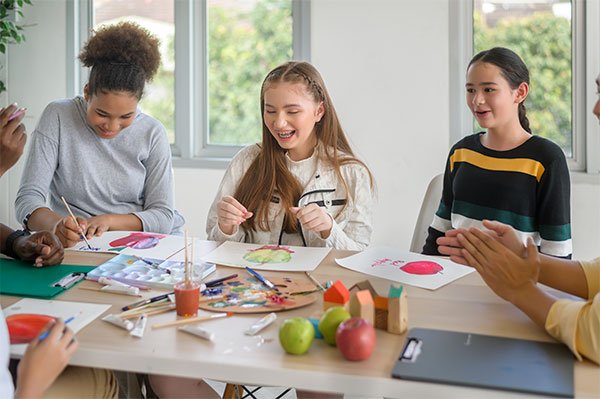
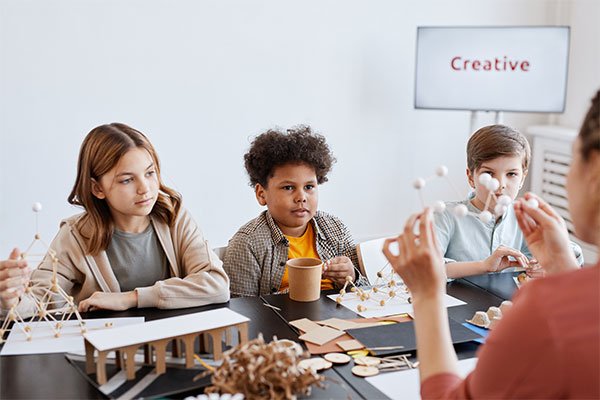
Assigning shared projects—a science fair exhibit, a group presentation, a class newsletter—forces children to negotiate roles, handle disagreement, and combine ideas. This builds teamwork and adaptability in a way individual assignments cannot.
3. Role-Play and Drama
Acting out scenarios, whether in a school play or informal role-play at home, helps children practice expressing emotions, seeing situations from another person’s perspective, and thinking on their feet when a scene doesn’t go as scripted.
4. Sports and Team Activities
Team sports build resilience (handling losses), discipline (regular practice), and cooperation (working toward a shared goal) in ways that are hard to replicate in a classroom. Individual sports like swimming or athletics still build discipline and goal-setting, even without the team dynamic.
5. Creative Arts—Music, Art, and Craft
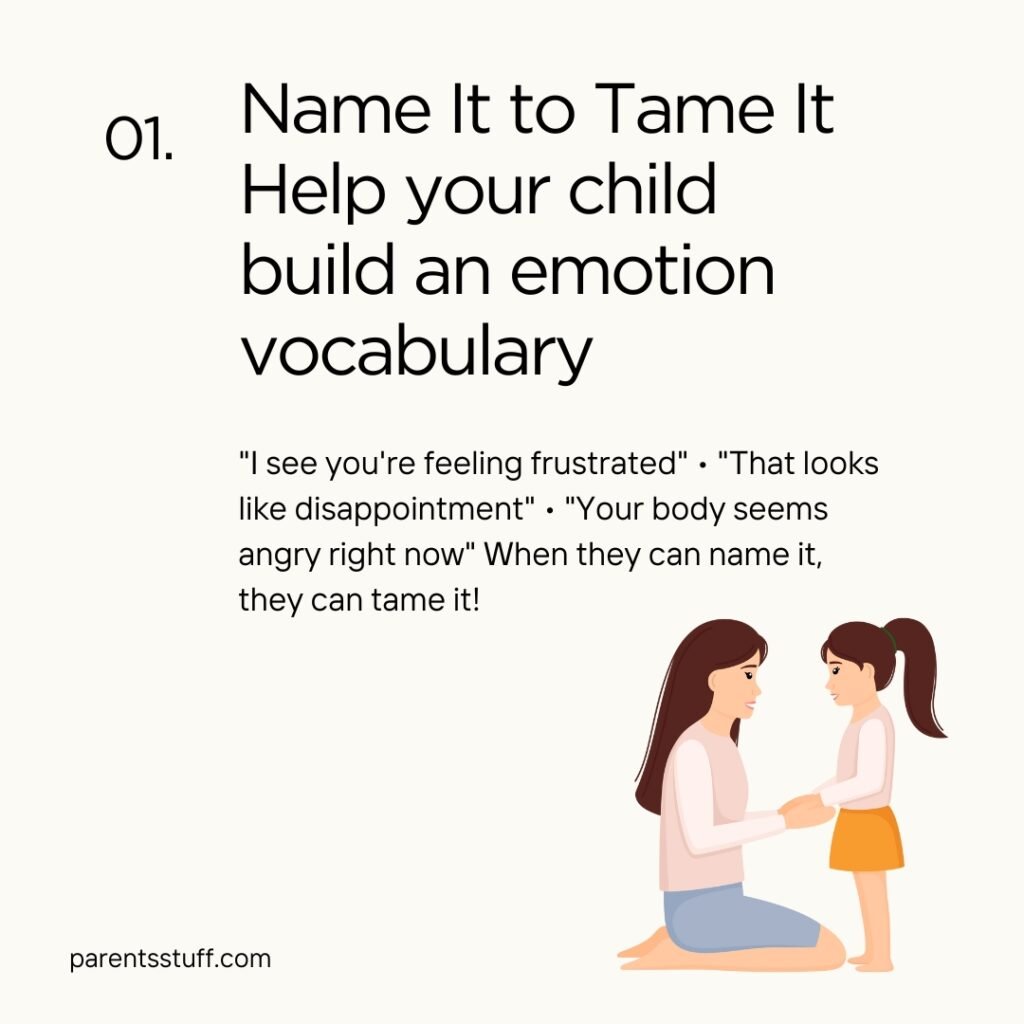
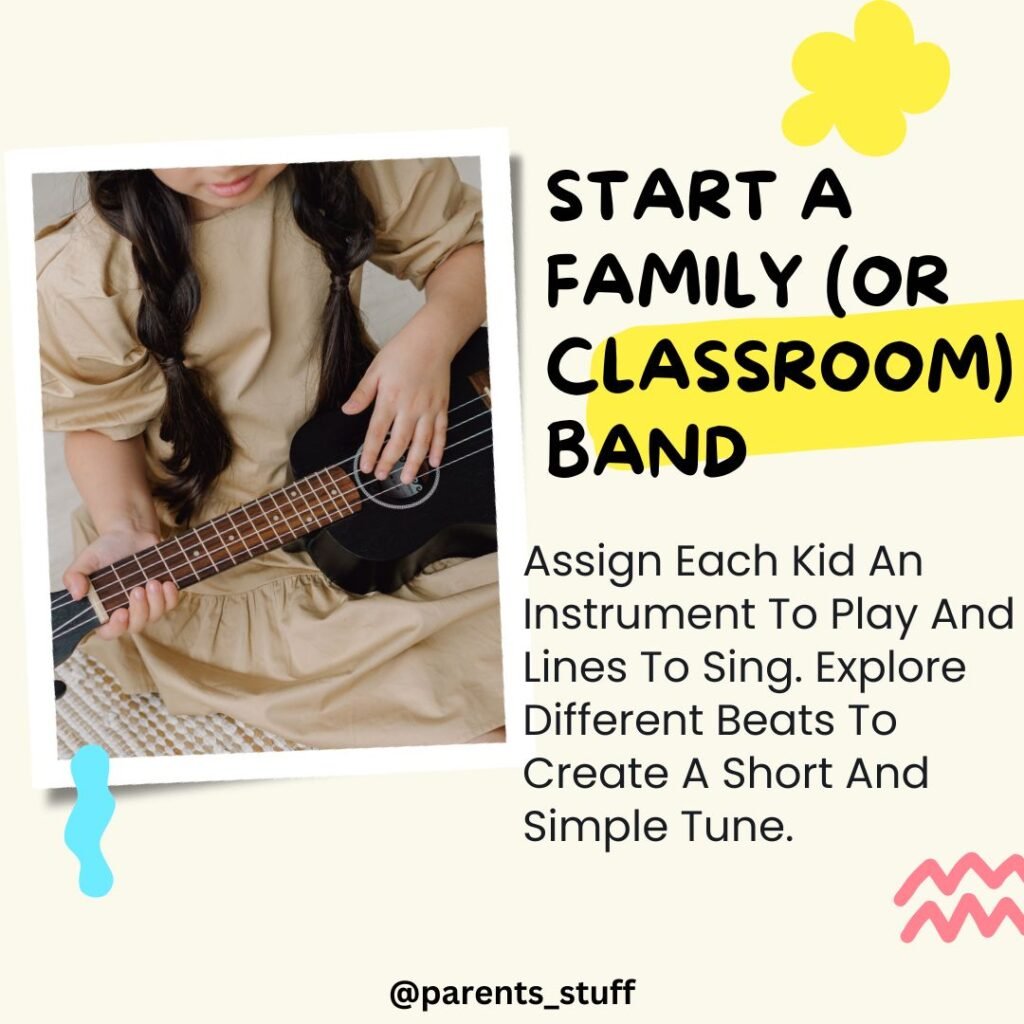
Creative activities give children a non-verbal outlet for self-expression and build patience and focus through sustained practice. For quieter or more introverted children in particular, creative arts often build confidence more comfortably than activities that require public performance from day one.
6. Journaling and Reflection
A simple daily or weekly journaling habit—writing about what happened and how they felt about it—builds self-awareness and emotional vocabulary, which are foundational to emotional intelligence. This is one of the lowest-cost, most accessible activities on this list and works well alongside any of the others.
7. Volunteering and Community Service
Age-appropriate volunteering—helping organize a school donation drive, participating in a community clean-up, or assisting younger students—builds empathy and a sense of responsibility beyond the child’s immediate circle, which structured classroom activities rarely provide on their own.
How to Choose the Right Activities for Your Child
The right personality development activities depend on your child’s age and natural temperament, not a one-size-fits-all list—matching the activity to the child produces far better results than picking whatever is popular.
- For younger children (ages 6–10): Favor play-based activities—role-play, simple group games, and creative arts—that build foundational communication and cooperation skills without pressure or evaluation.
- For pre-teens (ages 11–13): Introduce structured formats like debate, group projects, and team sports, where children can start handling constructive feedback and mild competition.
- For teenagers (ages 14–18): Prioritize activities with real responsibility and consequence—leadership roles in clubs, public speaking competitions, volunteering commitments—that mirror adult situations they’ll soon face.
- For introverted children: Start with lower-pressure activities (journaling, creative arts, small-group projects) before layering in public speaking or debate, rather than pushing performance-heavy activities first.
- For extroverted children: Public speaking and group activities often come naturally, but activities like journaling or individual creative pursuits help build the self-reflection and focus that pure extroversion sometimes skips.
The Role of Structured Personality Development for Kids Programs
Ad-hoc activities at home are valuable, but they often lack the consistency and feedback loop that turns a one-time experience into a lasting skill—which is exactly the gap structured personality development for kids programs are designed to close.
A well-run program combines several of the categories above—public speaking, group activities, role-play—into a structured curriculum with trained facilitators who give real-time, constructive feedback, something that’s genuinely difficult for a parent to provide consistently alongside daily routines and academics. If you’ve tried encouraging activities at home and noticed your child enjoys them but doesn’t seem to be building lasting confidence or communication skills from them, that’s usually a sign the missing piece isn’t more activities—it’s structured practice with expert feedback, which is precisely what a good personality development for kids program provides.
Common Mistakes Parents Make When Encouraging Personality Development
The most common mistakes are choosing activities based on trends rather than the child’s temperament, expecting fast results, and focusing only on performance-based activities while ignoring reflective ones.
- Picking activities because they’re popular, not because they fit the child. A shy child pushed straight into public speaking competitions without a gentler on-ramp often develops more anxiety, not less.
- Expecting visible change too quickly. Personality traits shift gradually, through repetition over months, not a single workshop or competition.
- Over-scheduling without room for reflection. Packing a child’s week with activities without any downtime removes the space needed to process and internalize what they’ve learned.
- Focusing only on “performance” skills. Public speaking and leadership get attention because they’re visible, but emotional intelligence and self-awareness—built through journaling and quieter reflection—are just as important and often overlooked.
- Comparing children to siblings or peers. Personality development is not a competition; comparing progress can undermine the confidence these activities are meant to build.
Which Activities Build Which Skills
| Activity | Primary Skill Built | Best Suited For |
|---|---|---|
| Public speaking / debate | Confidence, articulation | Pre-teens and teens; extroverted children |
| Group projects / discussions | Teamwork, negotiation | All ages, adapted to complexity |
| Role-play / drama | Emotional expression, empathy | Younger children and introverts as a gentle starting point |
| Team sports | Resilience, discipline, cooperation | All ages; especially useful for building focus |
| Creative arts | Self-expression, patience | Introverted or reflective children |
| Journaling | Self-awareness, emotional vocabulary | All ages; pairs well with any other activity |
| Volunteering | Empathy, responsibility | Pre-teens and teens |
How to Tell If an Activity Is Actually Building Real Personality Development Skills
An activity is genuinely building personality development skills if your child shows measurable change in behavior over time—speaking up more at home, handling disagreements better, or attempting new things with less hesitation—not just if they enjoyed the session.
This distinction matters because plenty of activities are engaging without being developmental—a fun one-off workshop can be a pleasant afternoon without building any lasting skill, if there’s no repetition or feedback involved. The activities and programs genuinely worth investing in are the ones built around consistent practice of specific personality development skills, with visible progress tracked over weeks or months, not a single session marketed as transformative.
When you’re evaluating any program—including a structured course—ask what specific skills it’s building, how progress is measured, and how much hands-on individual feedback your child will actually receive, rather than judging it purely on how enjoyable the sessions look from the outside.
Who These Activities Suit—and Who May Need a More Structured Approach
Most school students benefit from a mix of the activities above, introduced gradually and matched to their temperament, without needing formal coaching to start.
However, children who show persistent shyness that limits classroom participation, visible anxiety before any performance-based task, or difficulty maintaining friendships despite normal social opportunities often benefit more from a structured, expert-guided program than from unstructured activities alone—because these patterns usually need consistent, professional feedback to shift, which is difficult for a parent to provide alone alongside daily routines.
Key Takeaways
- The best personality development activities for school students build one core skill through repeated, low-stakes practice—public speaking for confidence, team sports for resilience, journaling for self-awareness, and volunteering for empathy.
- NEP 2020 formally recognizes holistic development and life skills as core to education, not an extracurricular afterthought.
- Match activities to your child’s age and temperament—introverted children generally benefit from a gentler on-ramp (creative arts, journaling) before performance-heavy activities like debate.
- The most common mistake parents make is choosing trending activities over ones suited to their child, and expecting visible change too quickly.
- Structured personality development for kids programs add value where ad-hoc activities fall short: consistent feedback and a trained facilitator’s ability to spot and correct patterns a parent might miss.
- A genuinely effective activity or program shows measurable behavior change over weeks or months—not just an enjoyable one-off session.
- Children with persistent shyness, performance anxiety, or social difficulty typically benefit more from structured, expert-guided programs than unstructured activities alone.
social media challenges for teens
Frequently Asked Questions
1. What age should personality development activities start for children?
There’s no fixed starting age—even simple play-based activities like role-play and group games from age 6 onward build early communication and cooperation skills. Structured, performance-based activities like debate are generally more effective once children reach pre-teen years, when they can better process feedback.
2. What is the difference between personality development and extracurricular activities?
Extracurricular activities (like a specific sport or musical instrument) are the vehicle; personality development is the outcome. The same activity can build strong personality development skills or very little, depending on whether it includes repetition, feedback, and reflection—not all extracurriculars are automatically developmental.
3. Are personality development classes worth it for school students?
They’re worth it when they include structured, consistent practice with real feedback—mock scenarios, group activities, and individual coaching—rather than one-off workshops. For children who need more consistent guidance than a parent can realistically provide alongside daily routines, a structured program often accelerates progress meaningfully.
4. How can I tell if my child is naturally introverted or just shy?
Introversion is a temperament—a preference for lower-stimulation environments—while shyness often involves anxiety about social judgment. An introverted child can still be confident in small groups; a shy child may avoid social situations even when they’d otherwise enjoy them. If shyness limits everyday participation, it’s worth discussing with a teacher or counselor.
5. Can personality development activities help with academic performance too?
Indirectly, yes. Skills like communication, focus, and emotional regulation support how well a child engages in class discussions, group assignments, and exams under time pressure, even though the activities themselves aren’t academic.
6. How much time should a school student spend on personality development activities each week?
There’s no universal number, but consistency matters more than volume—one or two structured activities practiced weekly, alongside daily habits like journaling or reflective conversation, tend to be more effective than sporadic, high-intensity sessions.
7. Is it too late to start personality development activities in the teenage years?
No. While early exposure helps build habits sooner, teenagers can and do develop confidence, communication, and leadership skills quickly when given real responsibility and consistent practice—often faster than younger children, because they can process feedback more directly.
