
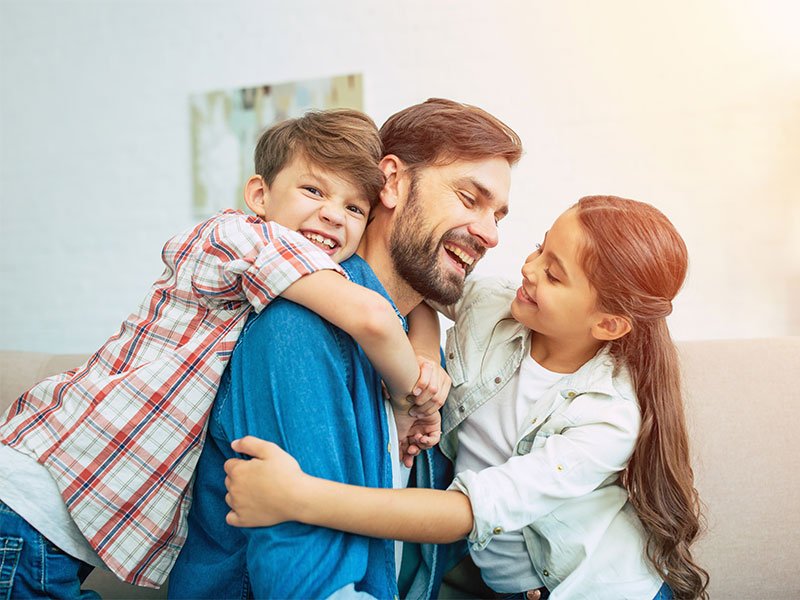
Good manners for kids are learned social skills such as greeting people, saying please and thank you, waiting for a turn, listening, and showing consideration. Children pick them up mainly through repeated practice and watching adults, not through lectures. The manners that matter most are the ones that show respect and empathy in daily life. Most young children can begin building them from around age two, and the habits strengthen steadily through the early school years.
This guide explains which manners are worth teaching first, what to expect at each age, how to teach them without nagging, and the mistakes that quietly undo your effort. It is written from a child-development perspective for parents of young children (roughly ages 2 to 8) in India.
Why do good manners matter for children?
Manners matter because they are the visible, everyday form of social and emotional skills: empathy, self-control, and the ability to take another person’s perspective. A child who waits for a turn is practising impulse control. A child who says “sorry” and means it is practising empathy.
Research on early childhood supports the broader point. A widely cited 2015 study in the American Journal of Public Health (Jones, Greenberg and Crowley) linked teacher-rated social competence in kindergarten, such as cooperating with peers and being helpful, to better outcomes in adulthood. Manners are not the same thing as social competence, but they are one of its most teachable parts. (This study should be verified and linked before publication; see the sources list.)
Practical benefits parents usually notice:
- Smoother friendships. Children who share, wait and speak kindly are easier to play with.
- Better classroom behaviour. Listening and turn-taking help teachers manage groups.
- Fewer daily power struggles. Clear, familiar routines reduce arguments at meals, in markets and at family gatherings.
- Greater confidence. Children who know what to say in social situations tend to feel less anxious in them.
One caution: manners are not the same as obedience. A polite child can still say “no” respectfully, and that is a skill worth protecting.
What are the most important good manners for kids?
The most important manners are the ones children use many times a day: greetings, polite words, listening, waiting, sharing space and belongings, table basics, and basic hygiene courtesy. These twelve cover most situations a young child will face:
1. Greeting people. Making eye contact and saying “hello,” “namaste” or the greeting your family uses.
2. Saying “please” when asking.
3. Saying “thank you” when receiving.
4. Saying “sorry” and attempting to repair. This means doing something to put things right, not just reciting the word.
5. Waiting for a turn. In play, in queues, and in conversation.
6. Not interrupting. Or using a signal such as a hand on your arm to say “I need you.”
7. Listening when others speak.
8. Sharing and asking before taking.
9. Using an indoor voice in shared spaces.
10. Basic table manners. Washing hands, staying seated, chewing with the mouth closed, not criticising food.
11. Hygiene courtesy. Covering coughs and sneezes, using a tissue, keeping the bathroom clean.
12. Respecting people and property. Treating elders, helpers, teachers and other children kindly, and handling things that belong to others carefully.
A note on cultural customs. Many Indian families also teach greeting elders with namaste, touching feet, or removing shoes at the door. These are meaningful traditions, and families differ in which ones they follow and how. Teach the reason behind a custom (“we show respect to elders this way”) so that it becomes a value and not just a ritual the child performs on command.
What manners can you expect at each age?
Children cannot master manners before they are developmentally ready, so expectations should match age. Toddlers are still learning that other people have different feelings, while older children can reflect on how their actions affect others. The table below is a general guide, and individual children vary.
| Age | What is developmentally typical | Realistic manners goals |
|---|---|---|
| 2–3 years | Strong “mine” feelings; limited impulse control; learning through imitation | Simple greetings with a wave or smile, “thank you” with prompting, washing hands, gentle touch |
| 4–5 years | Growing language; starting to understand others’ feelings | “Please” and “sorry” with reminders, taking turns in short games, listening for a short time, basic table habits |
| 6–8 years | Better self-control; understands rules and fairness | Not interrupting most of the time, apologising with repair, respecting others’ belongings, behaving well in public spaces |
Two points in this table are often misunderstood. Forced sharing at age two is rarely effective, because a toddler’s sense of ownership is a normal stage. And a four-year-old who forgets “thank you” is not rude, just still learning.
How do you teach good manners to young children?
The most effective method is a three-part cycle: model the behaviour, practise it in real situations, and give specific feedback. Lectures and punishment are the least effective parts.
1. Model it, because children copy what they see
Children learn manners by watching how you treat your spouse, your domestic helper, a delivery person and a waiter. If you say “thank you” to the person who brings your parcel, your child sees that politeness applies to everyone. If you interrupt a family member in front of them, they notice that too.
2. Give them the words
Young children often misbehave because they lack the language, not the intent. Offer short scripts they can repeat:
- Instead of grabbing: “Can I have a turn, please?”
- Instead of shouting for attention: “Excuse me, Mama.”
- After a mistake: “I’m sorry I knocked your tower. Can I help rebuild it?”
3. Practise through play and role-play
Pretend shop, tea-party and phone-call games give children low-pressure practice. Ten minutes of “restaurant” at home can prepare a child for a real one.
4. Praise the specific behaviour
“You waited so patiently while I was on the phone” teaches more than “good boy.” Specific praise tells the child exactly what to repeat.
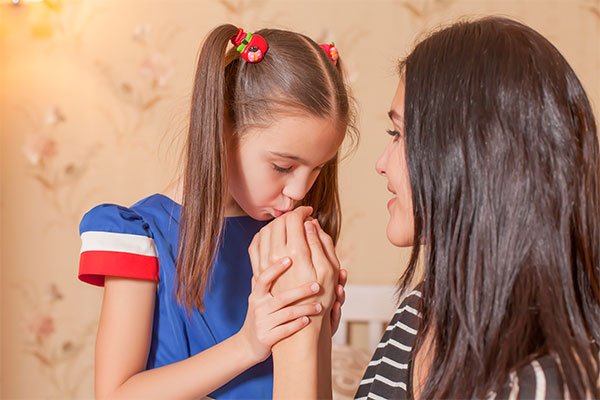
5. Correct privately and calmly
Embarrassing a child in front of relatives or friends usually creates defensiveness, not learning. Pull them aside, name the behaviour, and say what you want instead: “When Aunty gives you something, we say thank you.”
6. Keep routines consistent
Washing hands before meals, greeting when entering a room, and tidying up after play work best when they are the same every day. Consistency from both parents, grandparents and caregivers matters more than perfection.
Looking for structured practice beyond home? Many parents find that children respond differently to guidance from teachers and peers than from family. Explore personality development classes designed for young learners, where manners, communication and confidence are practised through activities and group play.
Which manners are hardest for kids, and how do you handle them?
Sharing, apologising sincerely and not interrupting are the hardest manners for young children, because each one asks them to put their own urgent wants aside.
Sharing
Instead of forcing a child to hand over a toy, use turn-taking: “You have it for two more minutes, then it’s Riya’s turn.” Use a visible timer. The child learns that waiting leads to getting the toy back, which makes sharing feel safe.
Apologising
A forced “sorry” is a word without meaning. Ask: “How do you think he felt?” then “What could you do to help?” Repair, such as returning the toy, drawing a card, or helping clean up, builds real empathy.
Interrupting
Young children find it hard to hold a thought. Teach the hand-on-arm signal: the child places a hand on your arm, you place yours over it to say “I know you’re there,” and you turn to them at the next pause. This works because it gives the child a way to wait that feels respected.
Table manners
Keep expectations short. A four-year-old cannot sit through a long family dinner. Set a clear start and end point, such as “stay until you’ve finished eating, then ask to be excused,” and extend it gradually.
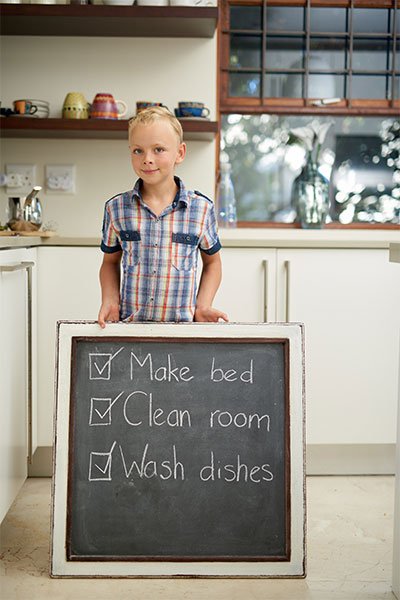
What mistakes undo good manners training?
The most common mistakes are inconsistency, shaming, over-correcting, and expecting adult behaviour from a young child. Watch for these:
- Teaching rules adults don’t follow. Demanding “please” while speaking sharply to your child sends mixed signals.
- Shaming in public. “Look how rude you are” makes a child feel bad, not learn better.
- Rewarding manners with treats every time. Children can begin to behave politely only when a reward is on offer.
- Over-correcting. Constant interruption to fix every small slip makes children avoid talking to you.
- Different rules in different homes. If grandparents allow what parents don’t, children test both. Agree on a few core rules together.
- Ignoring good behaviour. Many parents notice only mistakes. Children repeat what gets attention.
When should you worry, and when is it normal?
Occasional rudeness, forgetting words, and tantrums are normal in young children. Seek professional advice if a child persistently struggles to understand social cues, shows extreme aggression, or has marked difficulty with communication or empathy beyond what is typical for their age. Such signs may point to a developmental or language concern, not a manners problem, and your paediatrician or a child psychologist can guide you. Manners training should not be used to “fix” a possible developmental difference.
how procrastination impacts personal growth
Are personality development classes worth it?
Personality development classes can help children practise communication, confidence and social behaviour in a structured group setting, but they supplement parenting, not replace it. Quality varies widely, so check before enrolling.
What a good programme for young children typically includes:
- Age-appropriate, play-based activities rather than lectures
- Small groups with adequate teacher attention
- Practice in greetings, listening, turn-taking and expressing feelings
- Regular communication with parents about progress
- A positive, non-shaming approach
They may suit children who are shy, who rarely play with peers, or whose parents want extra reinforcement. They may be unnecessary for a child already doing well socially, and no class will work if home habits contradict it. When evaluating one, ask about teacher training, class size, activity examples, and trial options.
Ready to build confidence alongside manners? Discover personality development for kids that turns everyday etiquette into fun, hands-on learning.
A simple 7-day starter plan
Focus on one manner per day for a week, practising it in real moments and praising the effort.
1. Day 1: Greetings. Greet each family member at the first meeting of the day.
2. Day 2: “Please” for every request.
3. Day 3: “Thank you,” including to helpers and delivery staff.
4. Day 4: Waiting for a turn during a game.
5. Day 5: Listening: eye contact when someone speaks.
6. Day 6: Repair after a mistake, not just “sorry.”
7. Day 7: Review the week and let your child choose which manner they felt proudest of.
Repeat the cycle, adding one new habit at a time.
tips for self reliance for kids
Key Takeaways
- Good manners for kids are learned social skills, built through modelling, practice and specific praise.
- Match expectations to age: a toddler is learning, a six-year-old can reflect.
- Teach the reason behind a manner so it becomes a value, not a performance.
- Give children scripts, and let them practise through play.
- Avoid shaming, inconsistency and forced apologies.
- Structured classes can reinforce home learning, but home habits matter most.
Frequently Asked Questions
At what age should children start learning manners?
Children can begin from about age two by imitating greetings, gentle touch and simple words such as “thank you.” Expect inconsistent results at first. Consistent modelling and gentle prompting matter more than correct performance in the early years.
How do I teach my child to say please and thank you without constant reminders?
Use the words yourself consistently, and praise unprompted use. If you remind, do it quietly with a cue such as “What do we say?” Over time, the habit comes from repetition, not instruction.
My child is polite at school but rude at home. Is that normal?
Yes, it is common. Children often hold themselves together in structured settings and relax at home, where they feel safest. Keep home expectations clear and calm, and talk about specific behaviours, not the child’s character.
Should I force my child to apologise?
Forced apologies teach the words but rarely the feeling. Instead, help your child notice how the other person feels and choose a way to repair, such as returning a toy or helping clean up. A real apology can follow when they are calm.
How can I teach manners if grandparents or relatives have different rules?
Agree on a few core rules with all caregivers, such as greetings, politeness and respect for others. Accept that minor differences exist, and tell your child clearly which rules apply everywhere.
Are personality development classes suitable for young children?
They can be, if play-based and age-appropriate. They help with communication, confidence and peer interaction, but they work best alongside consistent parenting. Check teacher experience, class size and trial options before enrolling.
What is the difference between manners and discipline?
Manners are social habits of courtesy and consideration. Discipline is the broader process of teaching limits and self-control. They overlap, but a child can learn manners through encouragement, without harsh consequences.
What should I do if my child refuses to follow manners?
Stay calm, state the expected behaviour, and offer a choice within limits. Look for causes such as tiredness, hunger or a lack of words. If refusal is persistent and extreme, consult a paediatrician or child psychologist.
