

A personal brand before graduation is the reputation a teenager builds for specific strengths, values and proof of work while still studying. It comes from doing and sharing real work, not from chasing followers.
Parents matter more here than they may realise, because teenagers need guidance, guardrails and encouragement more than a marketing plan. This guide explains what a teenage personal brand is, how to build one at each stage, and how to keep the process safe and low-pressure.
What Does a Personal Brand Mean for a Teenager?
For a teenager, a personal brand is the consistent impression that teachers, peers and mentors, and later admissions officers and employers, form of their skills, character and reliability. It is closer to reputation than to advertising.
In this guide, “before graduation” covers the years from roughly Class 9 through the end of a bachelor’s degree. A teenager’s brand has three parts:
- Identity: what they care about and how they behave.
- Skills: what they can actually do.
- Proof: what they have made, led or contributed.
A 15-year-old might be known as the student who explains Maths clearly and runs the school coding club. No social media following is required. A brand without proof is just a slogan.
Why Start Before Graduation?
Starting early gives teenagers time to experiment, fail privately and refine their direction before high-stakes moments such as college admissions, internships and first jobs. The World Economic Forum’s Future of Jobs Report 2025 found analytical thinking to be the skill employers value most, with seven in ten companies calling it essential, followed by resilience, flexibility and agility, and then leadership and social influence.
Those are habits built over years, not weeks. In our view, which is an opinion and not a finding of that report, a personal brand is a way of making those habits visible. A teenager who starts early arrives at their first internship application with a story backed by evidence, not a blank CV.
What to Focus On at Each Stage
The right activity depends on the teenager’s stage. Younger teens should explore, older teens should document, and college students should show their work publicly.
| Stage | Main focus | Typical activities | Parent’s role |
|---|---|---|---|
| Classes 8 to 10 (about ages 13 to 15) | Explore interests and build confidence | Clubs, hobbies, debate, reading, small projects | Expose them to options; keep it low-pressure |
| Classes 11 to 12 (about ages 16 to 17) | Define direction and start collecting proof | Competitions, leadership roles, volunteering, a simple portfolio | Coach, set online ground rules, help with introductions |
| College years (about ages 18 and above) | Show work publicly and build a network | Internships, projects, LinkedIn profile, mentors | Step back; advise when asked |
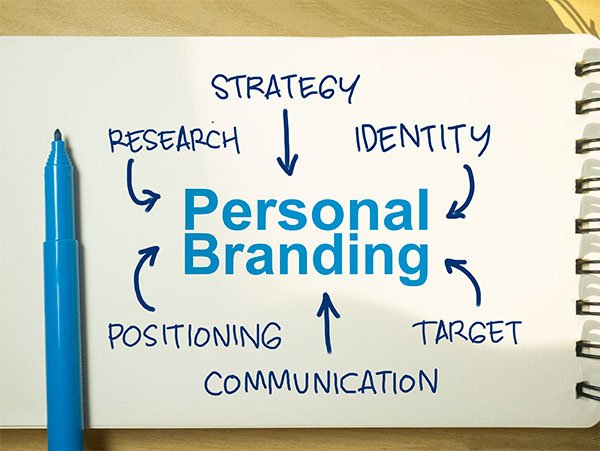
7 Practical Tips for Building a Personal Brand Before Graduation
1. Start with self-knowledge, not a profile
Ask your teenager to list three activities where time flies, three things friends ask them for help with, and three values they care about. Patterns in those lists are the raw material of a brand. Confidence grows from knowing what you are good at, so this step matters more than any profile photo.
2. Write a one-sentence positioning statement
Use this formula: “I’m a [stage] student interested in [field], building skills in [skill], and I have [proof].”
A hypothetical example: “I’m a Class 11 student interested in environmental science, building data-analysis skills, and I have tracked my school’s paper waste for three months.” Revisit the sentence every year as interests change.
3. Build proof of work
Projects, competitions, a blog, science fairs, volunteering, leading a club or tutoring juniors all count. Keep a simple record of dates, role, outcome and a link. Three real outcomes are worth more than ten certificates, though that is our judgement and not a measured result.
For internships, check the legal rules on work by under-18s. Volunteering, school-supervised programmes and self-directed projects are safer starting points.
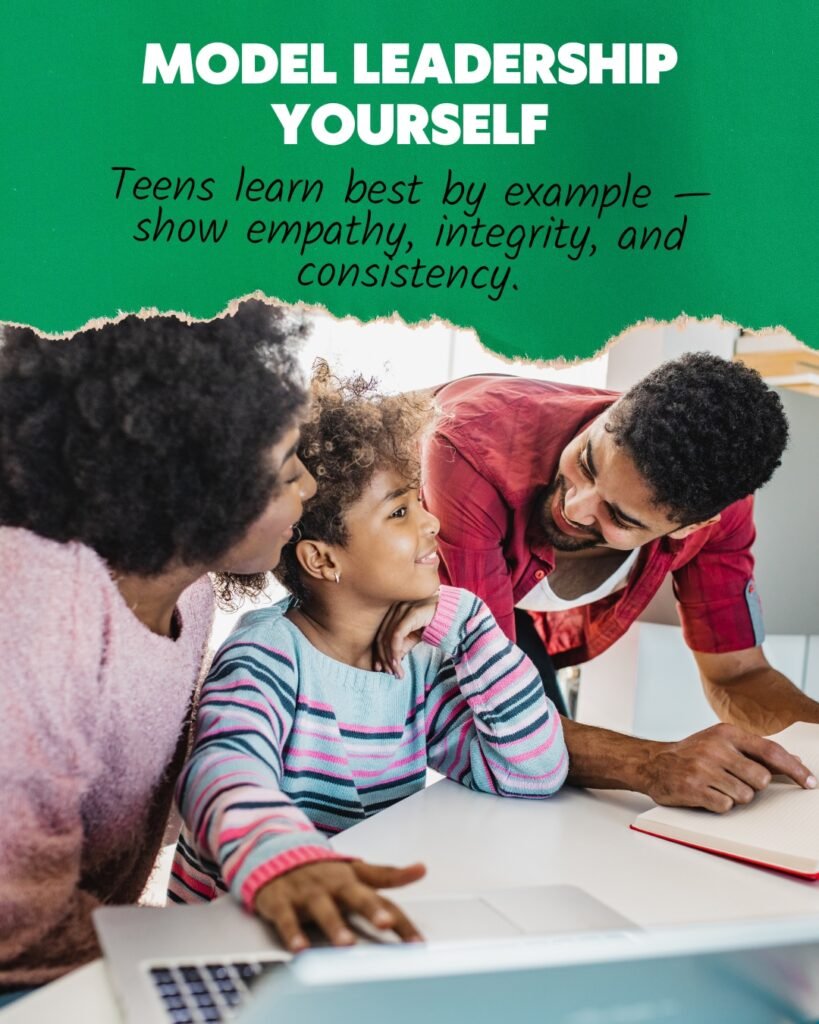
4. Practise communication deliberately
Speaking, writing and listening are how every other strength gets noticed. Try this ten-minute routine at home once a week:
1. Your teenager picks a topic they care about, such as a book, a game strategy or a school issue.
2. They speak for two minutes without notes while you listen.
3. You give one specific piece of praise (“your opening example made it clear”) and one suggestion (“slow down in the middle”).
4. They repeat the talk once, applying the suggestion.
Keep it going for a term, then compare the first and last attempts. A private phone recording makes the progress easy to see. Debate, Model UN and short written reflections build the same skills.
Want structured practice with expert feedback? Some teenagers accept feedback more easily from a mentor and peers than from a parent. Programs for personality development for kids give school-age learners regular speaking practice in small groups, with mentor feedback after each session. Book a free trial session and see how your teenager responds.
5. Curate a clean, safe digital presence
Search your teenager’s name together and tidy anything public. Tighten privacy settings, and never share phone numbers, addresses, school timetables or ID documents.
LinkedIn’s user agreement sets its minimum age at 16, or a higher age where the law requires parental consent for LinkedIn to provide its services. Check its current terms for India. India’s Digital Personal Data Protection Rules were notified on 13 November 2025, and the Act treats everyone under 18 as a child, so platforms need verifiable parental consent before processing their data. Most obligations are being phased in, with full compliance required by mid-May 2027. Verify the timeline, and involve a parent in account setup either way.
6. Find mentors and build relationships
Teachers, coaches, alumni and family friends make good mentors. Encourage polite, specific messages, such as asking a robotics coach for feedback on a project. Parents can make introductions. Teenagers should avoid unsupervised private contact with unfamiliar adults online.
7. Choose consistency over virality
One or two themes pursued for a year or more build a stronger reputation than scattered bursts of activity. Review the brand each term. Honesty is a brand asset, so never inflate roles or achievements.
social media challenges for teens
How Parents Can Help Without Adding Pressure?
Act as a coach, not a manager: ask questions, open doors and let your teenager own the choices.
- Ask “what did you enjoy this week?” before asking about marks or rankings.
- Avoid comparisons with cousins, classmates or online influencers.
- Protect sleep, study time and unstructured downtime.
- Agree on online ground rules together, including what is never posted.
- Celebrate effort and learning, not only results.
If your teenager seems persistently anxious or overwhelmed, speak to the school counsellor. A brand-building plan should never become another source of stress.

How to Choose a Personality Development Course: 6 Checks Before You Enrol
A personality development course can help when it is practice-based, age-appropriate and tied to real situations. It helps less when it is mostly lectures or promises a personality makeover. It works best as a complement to real-world experience, not a substitute for it.
| What to check | Good sign | Warning sign |
|---|---|---|
| Teaching method | Speaking practice, group tasks, individual feedback | Mostly lectures or motivational talks |
| Age fit | Separate content and batches for teenagers | Adult content in a mixed group |
| Outcomes | Clear, observable skills such as presenting or teamwork | Vague promises of “transformation” |
| Trainers | Verifiable experience with young learners | No trainer profiles available |
| Transparency | Trial class, written curriculum, clear fees | Pressure to enrol immediately |
| Data and safety | Clear policy on student data and parent access | No information on how children’s data is handled |
Now put a course to the test. You know what good looks like: practice, age fit, clear outcomes and transparent trainers. Ask [Institute Name] for a demo class of our personality development course, and score it against the six checks above before you decide. Book your teenager’s demo class today.
Common Mistakes to Avoid
- Building a public profile before there is anything real to show.
- Collecting certificates without projects, roles or outcomes.
- Copying influencers instead of developing an authentic identity.
- Oversharing personal details online.
- Letting brand-building crowd out rest, friendships and academics.
Key Takeaways
- A personal brand before graduation is reputation built on identity, skills and proof, not follower counts.
- Younger teens should explore, older teens should document, and college students should show their work.
- Communication, consistency and honesty do more for a teenager’s reputation than any profile polish.
- Parents work best as coaches, especially on privacy and online safety.
- Judge any course by its practice, transparency and age fit, not by its promises.
Frequently Asked Questions
What is a personal brand for a teenager?
It is the reputation a teenager builds for their skills, values and reliability, backed by real activities and outcomes. It does not require social media fame. A student known for leading a debate club or building useful projects already has one.
At what age should a teenager start building a personal brand?
Exploration can begin around 13 to 15 through hobbies, clubs and small projects. Public profiles suit older teens. LinkedIn’s minimum age is 16, or higher where the law requires parental consent, so check its current terms for India.
Does my teenager need social media to build a personal brand?
No. Strong projects, references from teachers and mentors, and a simple portfolio can matter more. Social media is optional, and any public profile should follow privacy settings and family ground rules.
How do I start personality development for kids at home?
Choose one skill, such as speaking clearly, and practise it weekly using the ten-minute routine in tip 4. Give one piece of specific praise and one suggestion each time, then add a new skill each term.
Is a personality development course worth it for a teenager?
It can be, if it offers practice, feedback, age-appropriate content and clear outcomes. Attend a trial class, check trainer experience and avoid programmes that promise dramatic transformations.
How can parents help without pressuring their teenager?
Ask open questions, avoid comparisons, agree on online rules together and celebrate effort. Offer introductions and resources, but let your teenager choose activities. If stress rises, involve the school counsellor.
Is it safe for minors to build a public profile?
It carries risks, including oversharing and unwanted contact. Reduce them with strict privacy settings, no personal identifiers, parent awareness of accounts and a rule against private conversations with unfamiliar adults. India also treats under-18s as children in its data protection law.
