
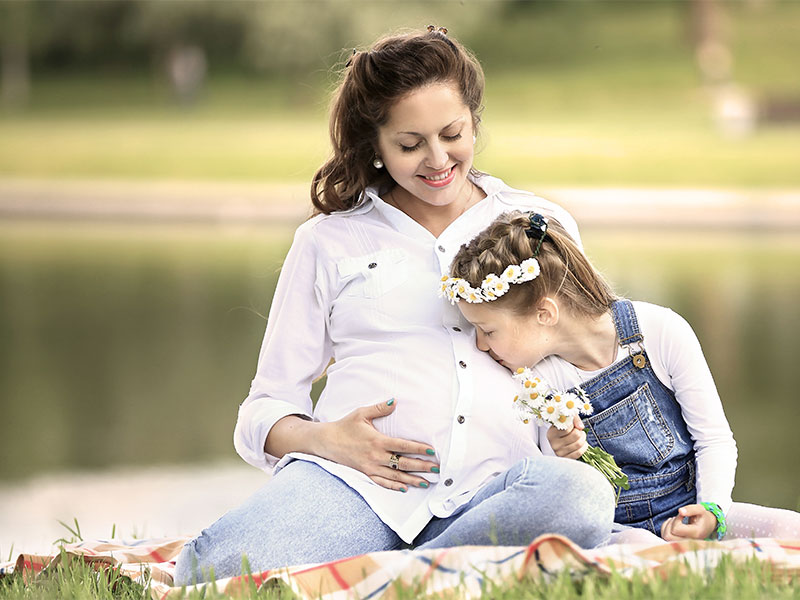
Your older child does not know yet that their world is about to change. They do not know that the word “baby”—used casually and excitedly in their presence for months—will soon mean a real, crying, constant, attention-absorbing person in their home. What they do know, from the moment you begin preparing them, is how safe or unsafe this change feels—and that emotional foundation, built long before the baby arrives, determines more about the sibling transition than almost anything that happens afterward.
Preparing older siblings for a new baby is one of the most genuinely consequential parenting decisions you will make in these months. Research from the NIH confirms that the transition to siblinghood does not have to be a crisis—most children not only adjust but grow into positive, bonded sibling relationships—but the quality of preparation and ongoing parental attunement significantly shapes how quickly and smoothly that adjustment happens. The strategies that work are not complicated. They are consistent, emotionally intelligent, and rooted in what child development research actually shows about how children process major family change.
Start the Conversation Earlier Than You Think You Should
The most common mistake parents make when preparing older siblings for a new baby is waiting until the pregnancy is visually obvious before raising it, reasoning that less time means less anxiety. Child psychologists consistently recommend the opposite approach.
Telling your child early gives them the gift of time—time to ask questions, to sit with their feelings, to gradually build a mental picture of what “a new baby” means, and to normalize the idea before it carries the urgency of imminent arrival. The American Academy of Pediatrics recommends telling toddlers and young children as soon as the pregnancy is stable, using language scaled to their developmental age.
For children under three, keep the framing simple and concrete: “A baby is growing in Mummy’s tummy. When it is big enough, it will come and live with us.” For children between three and five, you can introduce more detail—how the baby grows, approximately when it will arrive, what babies are actually like (they cry a lot, sleep a lot, and cannot play for a long time). For school-aged children, honest conversation about the family change—including acknowledging that things will feel different at first—builds trust and reduces the anxiety that comes from sensing something is being withheld.
One evidence-backed approach from Psychology Today recommends talking about the baby as a person with feelings before birth—saying things like “I wonder if the baby can hear your voice when you talk to my tummy” or “Do you think the baby knows you’re patting it?” Research finds that mothers who take this approach during pregnancy tend to have older children who interact more positively with their baby sibling at eight and fourteen months after birth.
Involve Your Older Child in the Preparation—Meaningfully
Children who feel like participants in welcoming the baby rather than bystanders to the disruption adjust significantly better than those who are kept on the periphery of preparation. Involvement is not just a feel-good strategy—it is an evidence-backed mechanism for converting a threatening change into an exciting one.
Practical ways to involve your older child meaningfully:
- Let them help choose something for the baby—a soft toy, a coming-home outfit, a book for the nursery. The sense of agency and contribution this creates is disproportionately powerful relative to the size of the task.
- Include them in nursery preparation—even a three-year-old can help arrange soft toys on a shelf, stick decorations on a wall, or choose which blanket goes in the crib. Physical participation in creating the baby’s space builds investment rather than resentment.
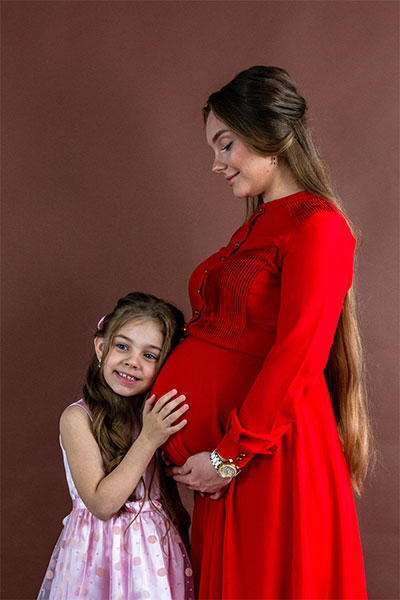
- Let them feel the baby move—placing their hand on your bump and narrating the experience builds a pre-birth connection that research suggests has measurable positive effects on early sibling interaction.
- Record a bedtime story—have your older child “read” a picture book into a voice memo that can be played to the newborn during feeds. This creates a meaningful role in the baby’s daily life from the very first days.
- Let them help pack the hospital bag—even choosing which snacks go in or which baby clothes get packed gives your child a sense of being part of the moment rather than simply waiting for it.
The emotional message behind all of these activities is the same: this baby is joining our family, and you are an important part of that family. That message—felt through action rather than just stated in words—is what prepares an older child most effectively.
Be Honest About What Babies Are Actually Like
A significant source of sibling adjustment difficulty is the gap between the imagined baby—a playful companion who will love them immediately—and the real baby, who sleeps most of the time, cries constantly, and requires the kind of sustained parental attention that feels, from a child’s perspective, like direct displacement.
Closing that expectation gap before the baby arrives prevents the particular disappointment and confusion that amplifies sibling jealousy. Children’s books about new siblings are useful here, particularly those that depict newborns realistically rather than idealistically. Read books that show babies sleeping, crying, and needing lots of care, so that when the real baby arrives, behaving exactly this way, your older child recognizes it rather than experiencing it as a surprise.
Be explicit with age-appropriate directness: “When the baby first comes home, I will need to feed them and hold them a lot because babies cannot do anything for themselves. That might feel strange at first. But our special time together is still going to happen—I am going to make sure of that.”
The research-backed principle here is that validated expectations reduce anxiety, while gap-closing honesty builds trust. The child who is surprised by the reality of a newborn feels deceived. The child who was prepared for it feels competent in handling what they knew was coming.
Manage the Transition When the Baby Comes Home
The moment of introduction matters—and how you handle the first meeting sets a significant emotional tone for the early sibling relationship.
When you arrive home from the hospital, have someone else carry the baby inside while you greet your older child first, with your full attention and open arms. This simple gesture—being met by a parent rather than by a baby wrapped in a parent’s arms—communicates the single most important message of the entire transition: you are still fully loved and seen.
When introducing the siblings, follow your older child’s lead. Do not force physical contact, enthusiastic greetings, or immediate declarations of love on a timeline that serves your emotional need rather than your child’s readiness. A three-year-old who is allowed to observe from a distance for fifteen minutes before cautiously approaching does not have a bonding problem—they have good instincts about approaching new situations carefully, which is a sign of healthy development.
One particularly effective technique for building early positive sibling association is narrating the baby’s admiration. Newborns are naturally drawn to movement and voices, and they will look in the direction of your older child constantly. When this happens, narrate it: “Look, the baby is watching you—she thinks you are so interesting.” “Did you see that? He turned toward your voice.” This technique converts the baby’s passive newborn attention into an active relational message that your older child can receive, and children respond to it with warmth toward the baby, which is difficult to manufacture any other way.
Protect One-on-One Time With Fierce Consistency
Nothing manages sibling jealousy more effectively than the consistent, reliable experience of unshared parental attention. Your older child’s primary anxiety about the new baby is not the baby itself—it is the loss of access to you. Protecting one-on-one time does not merely manage that anxiety; it directly addresses its source.
This does not require large blocks of time. Research consistently demonstrates that the quality and predictability of one-on-one time matter more than its duration. Twenty minutes of fully present, device-free, child-directed play—where you follow their lead, play their game, and give them your complete attention—every day communicates more security than two sporadic hours of half-distracted together time per week.
Make this time a named, protected routine rather than something that happens opportunistically when the baby sleeps. “This is our special time” is a phrase your older child can hold onto during the stretches of the day when the baby’s needs dominate your attention. It transforms those stretches from evidence of displacement into temporary gaps between confirmed moments of belonging.
Validate Feelings Without Judgment—All of Them
Sibling jealousy is not a problem to be eliminated. It is a normal, predictable developmental response to one of the most significant changes a young child’s life will contain—and the way parents respond to it shapes whether it resolves constructively or intensifies.
The most common parental mistake is responding to expressions of jealousy or ambivalence with reassurance pressure: “You love the baby! You’re so lucky to have a little sibling!” This response communicates that the child’s actual feelings are wrong, which does not make those feelings disappear—it teaches the child to hide them, where they continue to drive behavior without any parental support for processing.
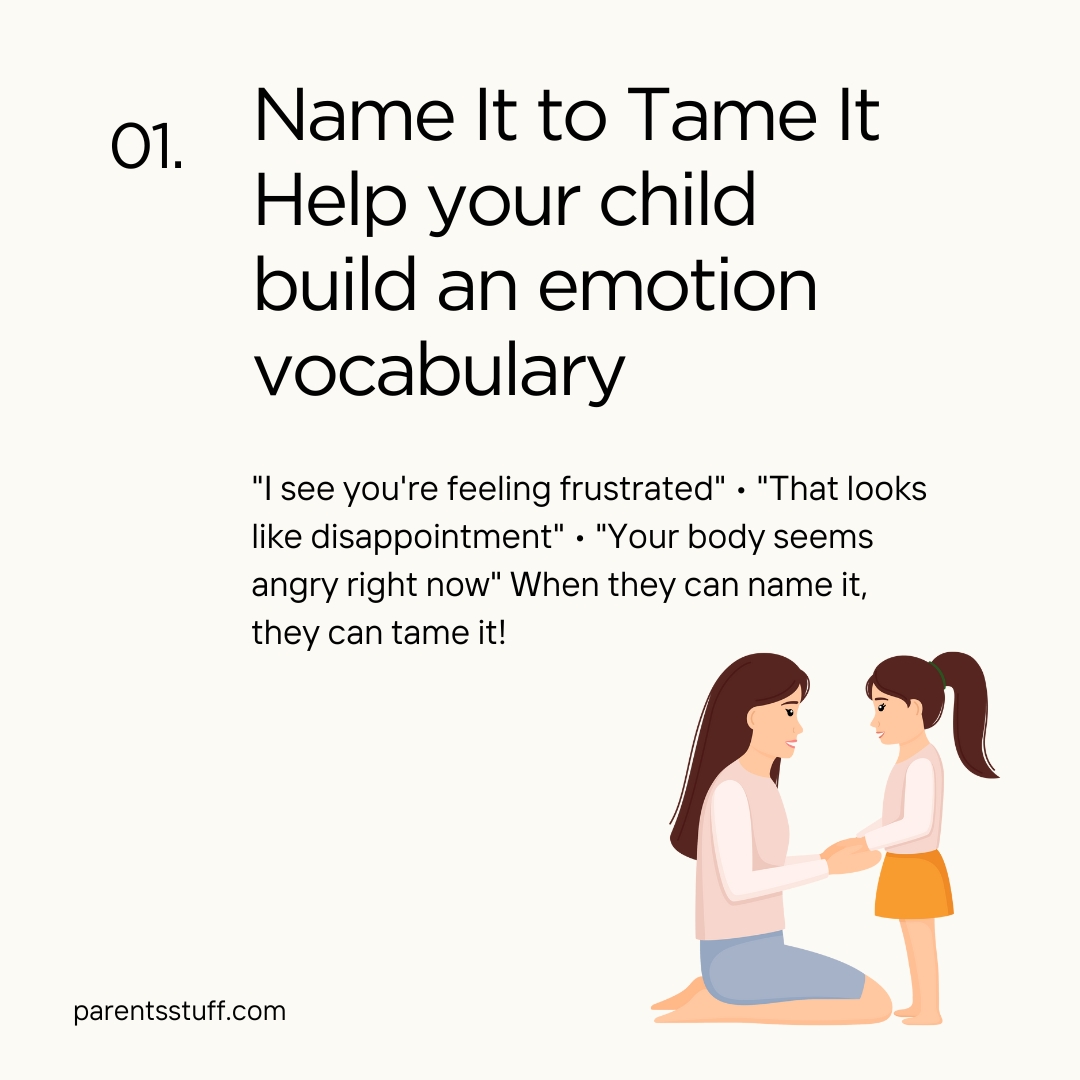
The evidence-based alternative is straightforward: name the feeling, validate it, and hold it without trying to fix it. “It sounds like you’re feeling left out right now. That makes a lot of sense. It’s hard when Mummy needs to feed the baby right when you want to play.” This approach does not solve the structural reality of the new family dynamic. It does something more important: it gives your older child the experience of being emotionally understood, which is the foundation of the security they need to navigate the adjustment.
Avoid comparisons between the siblings, avoid pressuring affection, and avoid dismissing negative emotions toward the baby with correction. A child who says, “I don’t like the baby,” is telling you exactly where they are emotionally. That honesty is an opportunity for connection, not a behavioral emergency.

Age-Specific Guidance for the Transition
The strategies above apply across ages, but the specific needs and most effective approaches vary significantly depending on where your older child is developmentally.
- Toddlers (1–3 years): This is the age group with the least verbal capacity to process the change and the greatest vulnerability to regression—toilet training setbacks, sleep difficulties, and increased clinginess are all normal and typically temporary. Maintain routine with maximum consistency, respond to regression with patience rather than frustration, and prioritize physical reassurance. Do not wean, transition to a big bed, or change childcare arrangements in the weeks immediately before or after the birth.
- Preschoolers (3–5 years): This age group responds exceptionally well to role-play preparation—acting out baby care with dolls, practicing “gentle hands,” and exploring sibling scenarios through imaginative play builds both emotional preparedness and practical competence. Use their own baby photos to show them that they received the same care and attention the new baby will receive. Expect magical thinking and some confused emotional logic—this is developmentally normal and does not require correction, just patient conversation.
- School-age children (6+): Older children can handle and benefit from more direct, honest conversation about the family change—including acknowledging that it will be hard at times. They are also capable of genuine helpful participation in baby care, which, when offered as an invitation rather than an obligation, builds pride and positive sibling identity. Watch for social withdrawal or school performance changes as signs that the adjustment is creating more stress than they are processing through conversation alone.
When the Adjustment Takes Longer Than Expected?
Most children adjust to a new sibling within a few weeks to a few months, particularly when parents are consistent, warm, and emotionally attuned. Some children—particularly those with more sensitive temperaments, those who experienced the pregnancy as particularly stressful, or those whose sibling arrival coincided with other significant changes—take longer.
Signs that professional support may be helpful include persistent and intensifying behavioral regression beyond three months post-birth, significant and sustained withdrawal from previously enjoyed activities, direct aggression toward the baby that escalates rather than diminishes, or clear signs of anxiety or depression that persist beyond the initial adjustment period.
These are not signs of failure—in parenting or in the child. They are signs that additional support would be beneficial, and accessing it promptly is an act of good parenting rather than an admission that something has gone fundamentally wrong. Try some easy DIY decor ideas for your home.
FAQ: How to Prepare Older Siblings for a New Baby
1. At what age can a child understand that a new baby is coming?
Children as young as two can begin to grasp the concept of a new baby arriving, though their understanding will be concrete and limited. A two-year-old needs simple, repetitive language—”A baby is growing in Mummy’s tummy and will come live with us”—repeated over time rather than explained once in depth. By age three, children can understand more details about the pregnancy timeline, what babies are like, and what the arrival will mean for daily life. The key principle across all ages is using language matched to the child’s developmental level, not the parents’ comfort level with the conversation.
2. How do I handle regression in my older child after the baby arrives?
Regression—returning to behaviors the child had outgrown, such as bedwetting, thumb-sucking, baby talk, or wanting a bottle—is one of the most common and normal responses an older child can have to a new sibling. It is the child’s way of communicating emotional overwhelm, not a behavioral problem requiring correction. The most effective response is to meet it with patience and warmth rather than frustration or shame. In most cases, regression resolves naturally within a few weeks as the child settles into the new family rhythm and their security is consistently reinforced through special one-on-one time.
3. My older child says they want to send the baby back. Should I be worried?
This is one of the most common things young children say in the weeks after a new sibling arrives—and it is a completely normal expression of adjustment stress, not a sign of a serious problem. Treat it as emotional information rather than a behavioral emergency. Respond with validation rather than alarm: “It sounds like things feel really different right now, and that’s hard. That makes sense.” Avoid correcting the feeling or insisting they feel differently. Children who are allowed to express these feelings honestly and are met with understanding typically move through them faster than those who learn to suppress them.
4. How do I give my older child enough attention when a newborn needs so much of my time?
The key insight from child development research is that predictability matters more than quantity. A named, protected daily ritual—even fifteen to twenty minutes of fully present, child-directed one-on-one time—communicates more security than longer but unpredictable attention. During newborn feeds, involve your older child rather than excluding them: let them choose a book to be read aloud while you nurse, sit beside you during bottle feeds, or use that time for a special activity they enjoy. Framing newborn care as something you do together, rather than something that takes you away from them, significantly reduces the experience of displacement.
5. Is sibling jealousy inevitable, or can it be prevented entirely?
Some degree of adjustment difficulty is a normal part of welcoming a new sibling—it reflects a child’s healthy attachment to their parents and their natural response to significant family change. The goal is not to eliminate all jealousy but to ensure it is met with enough emotional attunement, honest preparation, and consistent reassurance that it resolves constructively rather than intensifying or going underground. Research shows that children who are well-prepared before birth, meaningfully involved in the transition, and whose feelings are consistently validated, adjust faster and develop warmer long-term sibling relationships than those who are not.
tips for self reliance for kids
Key Takeaways
- Start early—tell your older child about the pregnancy as soon as it is stable and give them maximum time to absorb the change before the baby arrives.
- Make them a participant, not a bystander—involve them meaningfully in preparation, from nursery setup to hospital bag packing, to build investment rather than resentment.
- Close the expectation gap honestly—prepare them for what newborns are actually like, so the reality of the baby’s arrival matches what they anticipated.
- Greet your older child first when you arrive home from the hospital—this simple gesture communicates that their place in your love is unchanged.
- Narrate the baby’s admiration—when the newborn looks toward your older child, narrate it as a connection. This is one of the most underused and effective early bonding techniques available.
- Protect daily one-on-one time—short, consistent, fully present special time every day addresses the core anxiety driving sibling jealousy more effectively than any other single strategy.
- Validate all feelings without judgment—including jealousy, ambivalence, and “I don’t like the baby.” Emotional honesty that is met with understanding resolves faster than emotional honesty that is met with correction.
- Match your approach to your child’s developmental stage—toddlers need routine stability and physical reassurance; preschoolers need role-play and their own story told back to them; school-age children need honest conversation and genuine participation.
- Expect the adjustment to take time—weeks to months is normal. Consistency, warmth, and emotional attunement from parents are the most reliable predictors of positive long-term sibling relationships.
- Watch for signs that warrant additional support—persistent regression, withdrawal, or escalating aggression beyond three months are signals worth discussing with a pediatrician or family therapist.
