
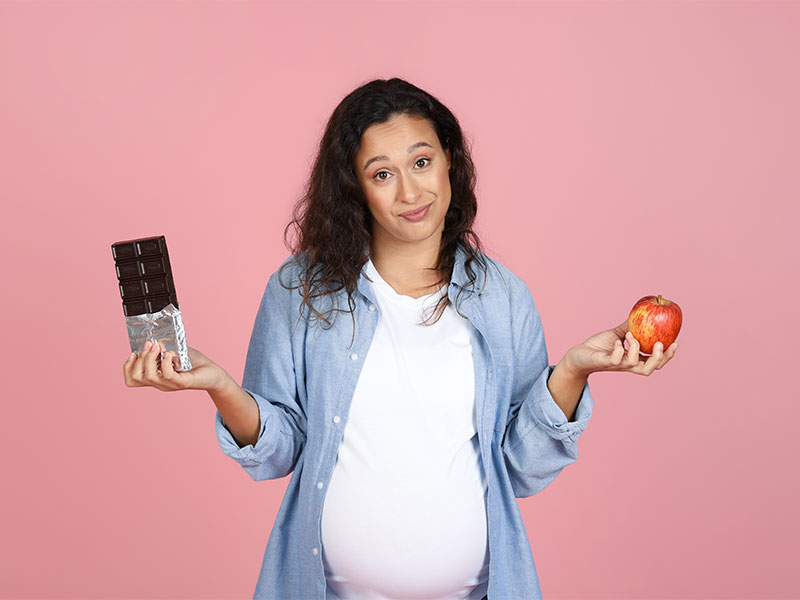
Let’s talk about something that stresses out nearly every pregnant woman: what you should and shouldn’t be eating. Between well-meaning relatives, random strangers, and the endless stream of conflicting advice online, figuring out pregnancy nutrition feels like navigating a minefield. The problem? Much of what you’ve heard about eating during pregnancy is either outdated, oversimplified, or flat-out wrong. These pregnancy nutrition myths don’t just create unnecessary anxiety—they can lead to poor nutritional choices that affect both you and your baby.
Whether you’re newly pregnant and trying to figure out what’s safe, in your second trimester dealing with food aversions, or in your third trimester wondering if you really should be “eating for two,” separating fact from fiction is crucial for your health and peace of mind.
Let’s break down the most persistent myths, replace them with evidence-based truth, and give you the information you actually need to nourish yourself and your growing baby properly.
Myth #1: “You’re Eating for Two Now”
This might be the most famous and most damaging of all pregnancy nutrition myths. Yes, you hear it constantly. No, it’s not true—at least not in the way most people mean it.
Why This Myth Is Harmful?
The “eating for two” mindset leads to overeating, excessive weight gain, and increased risks of gestational diabetes, high blood pressure, and complications during delivery. Plus, it makes postpartum weight loss significantly harder.
The Truth About Caloric Needs
Your caloric needs during pregnancy increase, but not by nearly as much as you’d think:
- First trimester: No additional calories needed—zero. Your baby is tiny, and your body hasn’t significantly changed metabolically yet.
- Second trimester: Add approximately 340 extra calories per day. That’s equivalent to a yogurt with fruit and a handful of nuts—not a second full meal.
- Third trimester: Add approximately 450 extra calories per day. Think a peanut butter sandwich or a smoothie with protein powder—still not doubling your intake.
To put this in perspective, if you eat 2,000 calories daily pre-pregnancy, you’d eat 2,340 in your second trimester and 2,450 in your third—not 4,000.
What Actually Matters?
Quality matters infinitely more than quantity. You need nutrient-dense foods providing vitamins, minerals, protein, and healthy fats—not just more calories from whatever you’re craving.
Reality: You’re eating for 1.2, not for 2. Focus on nutrient density, not calorie doubling.
Myth #2: “All Fish Is Dangerous During Pregnancy”
The mercury warnings have scared many pregnant women away from fish entirely, making this one of the most misunderstood pregnancy nutrition myths.
The Kernel of Truth
Some fish do contain high levels of mercury, which can harm fetal brain development. Large predatory fish—shark, swordfish, king mackerel, and tilefish—accumulate mercury and should be avoided.
What does This Myth get wrong?
Most fish are not only safe but highly beneficial during pregnancy. Fish provides omega-3 fatty acids (DHA and EPA), crucial for fetal brain and eye development, high-quality protein, vitamin D, and selenium.
Which Fish Are Actually Safe?
The FDA and EPA recommend 8-12 ounces (2-3 servings) weekly of low-mercury fish:
- Salmon (wild or farmed)
- Sardines
- Anchovies
- Trout
- Herring
- Cod
- Tilapia
- Shrimp
- Catfish
- Light tuna (canned)
Limit albacore tuna to 6 ounces weekly (it has more mercury than light tuna).
The Risk of Avoiding Fish
Studies show that babies whose mothers ate recommended amounts of fish during pregnancy have better cognitive outcomes, fine motor skills, and communication abilities compared to those whose mothers avoided fish. The benefits significantly outweigh the small risks when you choose low-mercury options.
Reality: Fish is one of the best pregnancy foods when you choose the right types. Don’t let fear prevent you from this crucial nutrition source.

Myth #3: “Avoid All Caffeine Completely”
Total caffeine elimination is one of the most unnecessarily strict pregnancy nutrition myths that makes pregnancy harder than it needs to be.
The Truth About Caffeine and Pregnancy
Major medical organizations, including ACOG (American College of Obstetricians and Gynecologists, agree that moderate caffeine consumption—up to 200mg daily—is safe during pregnancy.
200mg equals approximately:
- 12 oz of regular coffee (varies by brew strength)
- 2 shots of espresso
- 2-3 cups of black tea
- 4-5 cups of green tea
Why Moderation Matters?
Excessive caffeine (over 300mg daily) has been associated with increased miscarriage risk and low birth weight. But moderate amounts show no such risks in numerous studies.
Hidden Caffeine Sources
Remember to count all sources:
- Coffee and tea
- Energy drinks (often high—avoid these)
- Chocolate
- Some sodas
- Some medications
Practical Approach
If you’re a coffee lover, you don’t have to quit entirely—just moderate. Switch to smaller sizes, dilute with extra milk, or mix regular with decaf. Many women find they naturally want less caffeine anyway due to pregnancy’s effects on taste and energy.
Reality: One cup of coffee daily is perfectly fine. Don’t torture yourself with complete elimination unless your doctor specifically advises it.
Tips for Childproofing Your Home
Myth #4: “You Must Avoid All Deli Meat and Soft Cheese”
This pregnancy nutrition myth causes unnecessary stress and confusion about what’s actually risky versus overly cautious.
The Real Concern: Listeria
The worry about deli meats and soft cheeses centers on listeria—bacteria that can cause serious pregnancy complications. Listeria survives refrigeration, making certain ready-to-eat foods potentially risky.
The Nuanced Truth About Deli Meat
The absolute risk of listeria from deli meat is extremely low—about 1 in 2.5 million servings. That said, pregnant women are about 10 times more susceptible to Listeria than non-pregnant people.
How to safely eat deli meat:
- Heat it until steaming hot (165°F), which kills Listeria
- Choose freshly sliced over pre-packaged when possible
- Consume soon after purchasing
- Store properly and use within 3-5 days
Many pregnant women do eat deli meat without issue. It’s about informed risk assessment, not absolute prohibition.
The Truth About Cheese
Avoid: Unpasteurized (raw milk) soft cheeses like some Brie, Camembert, feta, queso fresco, and blue cheese.
Safe: All hard cheeses (cheddar, Swiss, parmesan) and soft cheeses made from pasteurized milk.
Check labels—most cheese sold in U.S. supermarkets uses pasteurized milk and is perfectly safe. The risk is primarily from artisanal, imported, or farmers’ market cheeses.
Reality: You don’t have to give up all deli sandwiches or cheese plates. Just heat deli meat and choose pasteurized cheeses. Read labels and make informed choices.

Myth #5: “Cravings Mean Your Body Needs Something Specific”
The romantic notion that pregnancy cravings indicate nutritional deficiencies is an appealing but unfounded pregnancy nutrition myth.
Why This Myth Persists?
It makes cravings feel meaningful and justifiable. “I’m craving ice cream because I need calcium!” sounds better than “I just really want ice cream.”
What Science Actually Says?
Research shows no correlation between specific cravings and nutritional deficiencies. Craving pickles doesn’t mean you need sodium. Craving ice doesn’t mean you need iron (though pica—craving non-food items—can indicate iron deficiency and requires medical attention).
Cravings likely result from:
- Hormonal changes affecting taste and smell
- Psychological comfort-seeking
- Cultural expectations about pregnancy cravings
- Relaxation of usual dietary restraint
What About Aversions?
Food aversions during pregnancy (especially the first trimester) are extremely common and have no known nutritional significance. They’re likely an evolutionary protection mechanism against potentially harmful foods during vulnerable fetal development periods.
Practical Approach
Indulge cravings in moderation, but don’t use them as nutritional guidance. If you’re constantly craving something unhealthy, try to find healthier alternatives that satisfy the same taste or texture desire.
Reality: Cravings are normal but don’t indicate deficiencies. Enjoy them reasonably without overthinking the “why.”
functional fitness routines for adults
Myth #6: “Vegetarian and Vegan Diets Are Dangerous During Pregnancy”
This outdated pregnancy nutrition myth suggests plant-based eating can’t provide adequate pregnancy nutrition.
The Truth About Plant-Based Pregnancy
Well-planned vegetarian and vegan diets are completely safe during pregnancy and can even offer benefits like lower risks of gestational diabetes and excessive weight gain.
What Requires Attention?
Certain nutrients need extra focus on plant-based diets:
- Protein: Easily met through beans, lentils, tofu, tempeh, nuts, seeds, and whole grains. You need about 70-100g daily during pregnancy.
- Iron: Plant sources (spinach, lentils, fortified cereals) are less absorbable than meat, so eat with vitamin
- C to enhance absorption. Your prenatal vitamin provides additional iron.
- Vitamin B12: Critical for fetal development and only found naturally in animal products. Vegans must supplement or consume fortified foods reliably.
- Omega-3s (DHA): Important for brain development. Vegans can get DHA from algae-based supplements (where fish get it originally).
- Calcium: Easily obtained from fortified plant milks, tofu, leafy greens, and tahini.
- Zinc: Found in legumes, nuts, seeds, and whole grains. Soaking and sprouting increase absorption.
Working with Healthcare Providers
If you’re plant-based, work with your healthcare provider to ensure adequate intake of key nutrients through diet and supplementation. Blood tests can verify iron, B12, and other levels.
Reality: Plant-based diets work beautifully during pregnancy with proper planning and appropriate supplementation. Don’t let this myth pressure you into eating meat if it doesn’t align with your values or health needs.
Myth #7: “You Need to Avoid Exercise and Physical Activity”
While not strictly a nutrition myth, this misconception affects how pregnant women approach overall health, making it worth addressing in the context of pregnancy nutrition myths and wellness.
The Old-Fashioned Thinking
Previous generations often treated pregnancy as an illness requiring rest and inactivity. This thinking extends to nutrition with ideas like “don’t exert yourself, eat plenty, rest constantly.”
What Research Shows?
Exercise during pregnancy (with medical clearance) provides enormous benefits:
- Reduced risk of gestational diabetes
- Less excessive weight gain
- Improved mood and energy
- Easier labor and delivery
- Faster postpartum recovery
- Better blood sugar control
The Nutrition Connection
Active pregnant women often have healthier appetites, better blood sugar regulation, and lower rates of excessive pregnancy weight gain—all of which support better nutrition outcomes.
Reality: Unless your healthcare provider specifically restricts activity, moderate exercise is highly beneficial during pregnancy and supports your nutritional health.
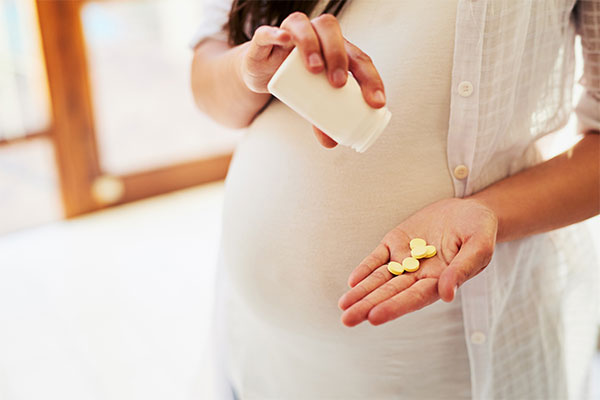
Myth #8: “Prenatal Vitamins Alone Are Enough”
Some women believe prenatal vitamins eliminate the need to focus on diet, a dangerous pregnancy nutrition myth.
Why Vitamins Aren’t Enough?
Prenatal vitamins provide:
- Folic acid (crucial for neural tube development)
- Iron (preventing anemia)
- Calcium (for bone development)
- Key vitamins and minerals
What they don’t provide:
- Adequate protein for fetal growth
- Sufficient calories for pregnancy needs
- Fiber for digestive health
- Phytonutrients and antioxidants
- Healthy fats for brain development
- The thousands of beneficial compounds in whole foods
The Right Approach
Think of prenatal vitamins as insurance, not substitutes. They fill nutritional gaps and provide crucial nutrients (especially folic acid), but they can’t replace a balanced diet.
Reality: Take your prenatal vitamin daily AND eat a nutrient-dense, varied diet. Both are necessary.
Life changing read for every age
Myth #9: “Everything You Ate Before Pregnancy Is Now Dangerous”
The anxiety this pregnancy nutrition myth creates is overwhelming—suddenly, everything feels forbidden and scary.
The Truth About Food Safety
Yes, certain foods carry risks during pregnancy:
- Raw or undercooked meat, poultry, seafood (risk of bacteria and parasites)
- Raw eggs (risk of salmonella)
- Unpasteurized dairy and juices
- Unwashed produce
- High-mercury fish
- Alcohol (no safe amount established)
But the vast majority of foods are perfectly safe. You don’t need to eliminate entire food groups or eat only bland, “safe” foods.
Perspective on Risk
The actual risk from most concerning foods is quite low. Food safety is about making informed choices that balance risk and benefit, not about fear and elimination.
Reality: Most foods you enjoyed before pregnancy are still fine. Focus on proper food handling and avoiding the specific high-risk items rather than restricting everything.
Myth #10: “You Can’t Eat Spicy Food—It’ll Hurt the Baby”
This enduring pregnancy nutrition myth has no scientific basis whatsoever.
The Truth
Spicy food is completely safe during pregnancy. It won’t hurt your baby, cause miscarriage, or trigger labor (unfortunately for overdue women hoping to kickstart things).
What Might Happen?
Spicy food can worsen heartburn, which many pregnant women already experience due to hormones and pressure on the stomach. If spicy food bothers you, avoid it for comfort—not because it’s dangerous.
Cultural Perspective
Millions of pregnant women in cultures with spicy cuisines eat spicy food throughout pregnancy with no issues. There’s no biological mechanism by which spices would harm a developing fetus.
Reality: Eat spicy food if you enjoy it, and it doesn’t bother your digestion. There’s zero risk to your baby.
What Actually Matters: Evidence-Based Pregnancy Nutrition?
Now that we’ve debunked these pregnancy nutrition myths, what should you actually focus on?
Real Priorities
- Adequate protein: 70-100g daily from varied sources
- Folate/folic acid: 400-800mcg daily (from prenatal vitamin and folate-rich foods)
- Iron: 27mg daily (prenatal vitamin plus iron-rich foods)
- Calcium: 1,000mg daily (dairy, fortified foods, leafy greens)
- DHA omega-3s: 200-300mg daily (fish, algae supplements)
- Hydration: 8-12 cups of fluids daily
- Variety: Colorful fruits and vegetables, whole grains, healthy fats
- Food safety: Proper handling and avoiding high-risk foods
Listen to Your Body
Pregnancy affects appetite, taste, and digestion differently for everyone. Some women are ravenous, others struggle to eat. Some crave vegetables, others can’t stand them. Both are normal.
Work with your body, not against it. If you’re nauseated, eat what you can. If you’re hungry, eat nutrient-dense foods. Trust your healthcare provider to monitor your weight gain and baby’s growth—they’ll tell you if there’s a concern.
How to Deal with Pregnancy Cramps?
The Bottom Line on Pregnancy Nutrition Myths
The pregnancy nutrition myths we’ve covered create unnecessary fear, restriction, and confusion during what should be an exciting time. Yes, nutrition matters during pregnancy—but it’s not as complicated or restrictive as the myths suggest.
You don’t have to be perfect. You don’t have to eliminate everything fun. You don’t have to eat twice as much or follow rigid rules that don’t make sense.
What you do need: adequate nutrition from varied, nutrient-dense foods; appropriate supplementation; food safety awareness; and trust in your body’s signals, balanced with medical guidance.
Pregnancy is nine months of your life (give or take). It’s important, but it’s also temporary. Make the best choices you can with the information you have, work with your healthcare provider, and let go of the myths creating anxiety without improving outcomes.
Your baby will be fine. You’ll be fine. And that sandwich you’ve been stressing about? Heat the deli meat if you want it, or choose something else—both are perfectly okay choices.
Frequently Asked Questions (FAQs)
Q. What are the most dangerous pregnancy nutrition myths to avoid?
The most dangerous pregnancy nutrition myths include “eating for two” (leading to excessive weight gain and complications), “avoid all fish” (causing omega-3 deficiency critical for brain development), “prenatal vitamins are enough” (neglecting essential whole food nutrition), and believing cravings indicate nutritional needs (potentially leading to poor diet choices). These myths either cause overconsumption of empty calories or underconsumption of crucial nutrients, both of which can impact fetal development and maternal health.
Q. Can I really eat sushi while pregnant?
Fully cooked sushi (like California rolls, tempura rolls, or cooked salmon rolls) is perfectly safe. Raw fish sushi carries small risks of parasites and bacteria, plus potential mercury concerns depending on the fish. Many pregnant women eat raw sushi occasionally without issues, but official guidelines recommend avoiding it. If you do eat raw fish, choose reputable restaurants with high turnover, avoid high-mercury fish, and ensure proper handling. Vegetable rolls and cooked options let you enjoy sushi safely without any concerns about pregnancy nutrition myths.
Q. How much weight should I actually gain during pregnancy?
Recommended weight gain depends on pre-pregnancy BMI: underweight women (BMI under 18.5) should gain 28-40 lbs, normal weight (BMI 18.5-24.9) should gain 25-35 lbs, overweight (BMI 25-29.9) should gain 15-25 lbs, and obese women (BMI over 30) should gain 11-20 lbs. These are guidelines, not absolutes—your healthcare provider monitors your specific situation. The pregnancy nutrition myth of “eating for two” often leads to exceeding these recommendations, increasing risks for both mother and baby.
Q. Is it true that I should avoid all artificial sweeteners during pregnancy?
Most artificial sweeteners are considered safe during pregnancy in moderate amounts, contrary to pregnancy nutrition myths suggesting total avoidance. Aspartame (Equal, NutraSweet), sucralose (Splenda), and stevia are generally recognized as safe. Saccharin crosses the placenta and should be limited. The key is moderation—occasional diet soda or artificially sweetened yogurt is fine, but don’t make these your primary beverages or foods. Water, milk, and naturally sweetened options remain healthier choices overall.
Q. Do I really need to take a prenatal vitamin if I eat a healthy diet?
Yes—even with an excellent diet, prenatal vitamins are crucial, particularly for folic acid, which prevents neural tube defects and is most critical before many women even know they’re pregnant. This pregnancy nutrition myth that ga ood diet eliminates supplement needs is dangerous because getting adequate folic acid (400-800mcg), iron (27mg), and other key nutrients through food alone is difficult. Think of prenatal vitamins as essential insurance, not optional supplements. Start taking them when planning a pregnancy if possible.
Q. Can vegetarian and vegan diets provide enough nutrition during pregnancy?
Yes, well-planned plant-based diets are completely safe during pregnancy, contrary to pregnancy nutrition myths. Focus on adequate protein (70-100g daily from beans, lentils, tofu, nuts), iron (with vitamin C for absorption), calcium (fortified plant milks, leafy greens), and zinc. Vegans must supplement vitamin B12 (critical for fetal development, found only in animal products) and consider DHA omega-3s from algae supplements. Work with your healthcare provider to monitor nutrient levels through blood tests and adjust diet or supplementation as needed.
Q. Should I completely avoid caffeine, or is some okay?
Moderate caffeine—up to 200mg daily—is considered safe during pregnancy by major medical organizations. This pregnancy nutrition myth of total elimination is unnecessarily strict. 200mg equals approximately one 112-oz cup of coffee, two espresso shots, or 2-3 cups of tea. Higher amounts (over 300mg daily) have been associated with increased risks. Remember to count all sources, including chocolate, soda, and tea. Many women naturally want less caffeine during pregnancy anyway due to changes in taste and sensitivity.
Q. What foods should I absolutely avoid while pregnant?
Actually risky foods include: raw or undercooked meat, poultry, and seafood (bacteria and parasite risks), raw eggs or foods containing them (salmonella), unpasteurized dairy and juices (listeria), high-mercury fish (shark, swordfish, king mackerel, tilefish), unwashed produce, and alcohol. Contrary to pregnancy nutrition myths, you don’t need to avoid most normal foods—just these specific high-risk items. Heat deli meat until steaming, choose pasteurized dairy, and practice good food safety, and the vast majority of foods remain perfectly safe.
Q. Are pregnancy cravings a sign my body needs specific nutrients?
No, this is one of the most persistent pregnancy nutrition myths without scientific support. Craving ice cream doesn’t mean you need calcium, and craving pickles doesn’t indicate sodium deficiency. Cravings likely result from hormonal changes, psychological comfort-seeking, and cultural expectations. However, pica (craving non-food items like dirt or ice) can indicate iron deficiency and requires medical evaluation. Indulge reasonable cravings in moderation without overthinking nutritional meanings, and ensure you’re meeting actual nutritional needs through a balanced diet and prenatal vitamins.
Q. How can I tell if pregnancy nutrition advice is myth or fact?
Verify pregnancy nutrition information by: checking sources (rely on ACOG, WHO, CDC, registered dietitians, and OB-GYNs, not random blogs), looking for research citations (actual studies, not anecdotes), being skeptical of absolute statements (“never eat X” or “always eat Y”), considering risk vs. benefit rationally, and discussing concerns with your healthcare provider. Pregnancy nutrition myths often rely on fear, outdated information, or oversimplification. Evidence-based guidance acknowledges nuance, provides specific parameters (like caffeine limits), and focuses on overall patterns rather than single foods being forbidden or required.
